


The technology:
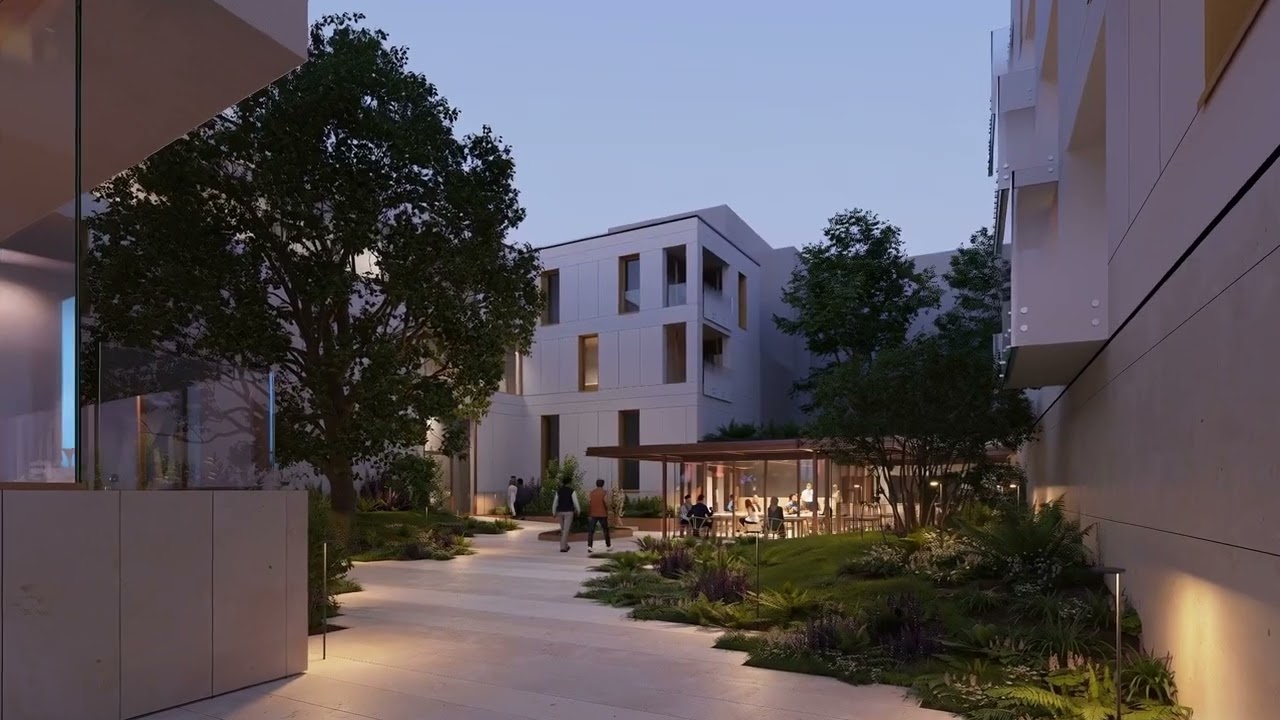
Cinematic video generated from architectural still images — no 3D model required. Smooth camera moves, dynamic atmospheric transitions, and lighting shifts produced from existing renders or photographs. 30 seconds to 5 minutes per film, delivered in landscape, portrait, or square.
In the price list:
Rendered lines also need the matching model line on the same order (the icon names it): MOD
Estimate your projectAI animation generates motion from still images. A rendered exterior view, a photorealistic interior, an existing architectural photograph — any of these can be turned into a cinematic video with camera movement, atmospheric transitions, and dynamic lighting, without building a 3D scene or rendering individual frames.
→ Try it at ai.visiongraphics.eu
What it produces
The output is a video in which the still comes alive. Each AI-generated clip is 3 to 8 seconds; a longer film is assembled by editing several clips together — typically one motion type per clip — into a continuous sequence.
Four kinds of motion can be combined:
Camera movement — smooth dollies into and through the scene, lateral pans, zooms, and parallax shifts that read the spatial depth of the source image. Objects at different distances move at different rates, producing the impression of three-dimensional space without a 3D model behind it.
Time-of-day transitions — from daylight to dusk, dusk to night, or sunrise sweeping into golden hour. Generated to stay consistent with the original image’s lighting direction.
Weather transitions — clear to overcast, dry to rain, calm to stormy sky. The base composition is preserved while atmosphere shifts around it.
Seasonal transitions — summer foliage giving way to autumn colour, autumn to winter snow. Useful for showing a single design across the conditions a client will actually experience.
Film:
Length, format, and delivery
- Individual AI clip length: 3–8 seconds. A film is assembled from one or more clips edited together.
- Total film length: 30 seconds minimum, up to 5 minutes.
- Aspect ratios: landscape 16:9, portrait 9:16, or square 1:1. A second orientation can be ordered as an add-on derived from the same source frames.
- Delivery is a finished MP4 — no compositing or post-production needed on your side.
Film:
What it doesn’t do
AI animation produces convincing motion for atmospheric and marketing content. It doesn’t produce geometrically precise camera paths, and it doesn’t guarantee that building edges remain perfectly static while the camera moves — minor wavering can occur depending on the source image and the movement type.
For animation that requires geometric precision — construction sequences, technical camera paths, exact spatial measurement — 3D Animation (the traditional V-Ray pipeline) is the correct format.
AI animation vs. traditional V-Ray pipeline
| AI Animation | 3D Animation (V-Ray) | |
|---|---|---|
| Input required | Still image — existing render or photograph | 3D model at full render quality |
| 3D model needed | No | Yes |
| Motion type | Camera drift, atmospheric, parallax, lighting shift | Precise camera path, construction phasing, exact spatial movement |
| Geometric accuracy | High confidence for atmospheric content; minor edge instability possible | Geometrically exact per frame |
| Production time | Hours to one day | Days to weeks depending on length and complexity |
| Best for | Marketing content, social media, quick campaign material, re-animating existing renders | Technical sequences, construction phasing, design review presentations |
Input formats accepted
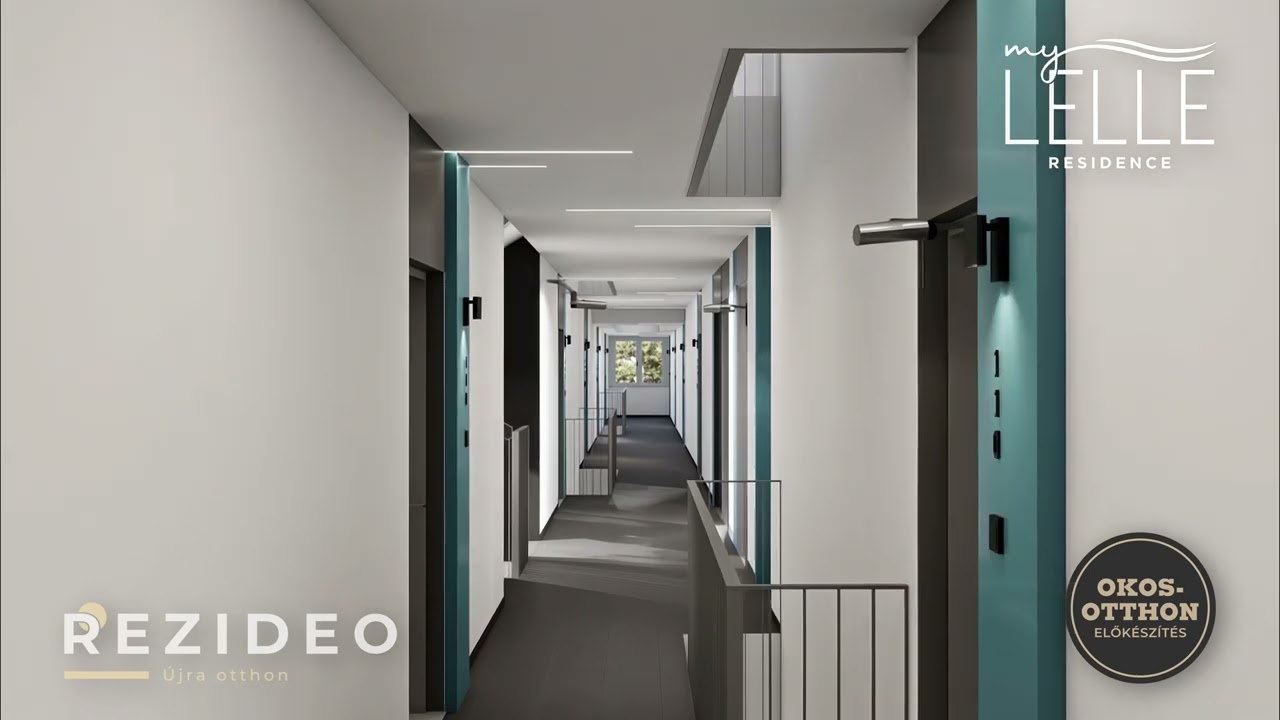
- Photorealistic renders from 3ds Max, V-Ray, Lumion, Twinmotion, Enscape
- Direct exports from ArchiCAD, Revit, or SketchUp — no retouching needed first
- Existing architectural photographs
- AI-generated images
Concept-level imagery and polished final renders are both accepted. Better input produces better results, but a high-quality input is not required for usable output.
Film:
How to order
AI animation is ordered directly through the AI platform: ai.visiongraphics.eu. Upload a source image, choose the motion type, atmosphere, and aspect ratio, and receive the finished clip — no full visualization brief required.
For projects where AI animation is part of a wider visualization package — alongside new renders, 360° tours, or video production — it can be coordinated as part of the main brief.
Related techniques
For AI-generated motion combined with traditional V-Ray rendering: 3D Animation
For full video production with real footage, narration, and post-production: Video Production
For AI-enhanced variations from an existing render: AI Render Upgrade


